Introduction
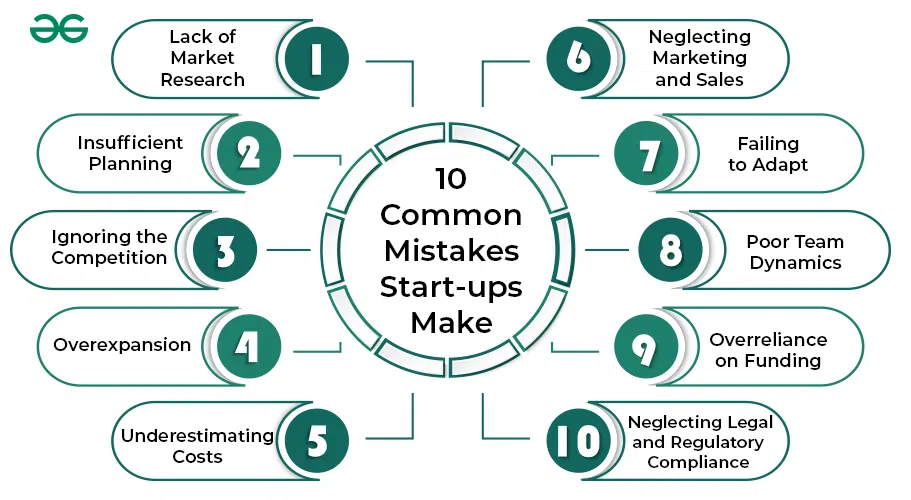
Nobody starts a company planning to fail. Yet most do — and usually for the same handful of reasons. If you’re building something new in 2026, learning the common startup mistakes to avoid upfront can save you months of wasted effort and, honestly, a fair bit of heartbreak. This isn’t theory pulled from a textbook; these are patterns founders repeat over and over.
Building Before Validating
This is probably the biggest one. Founders fall in love with their solution before confirming anyone actually has the problem.
One of the most common startup mistakes to avoid is building a full product before talking to real customers — validate the problem first with at least 20-30 genuine conversations before writing a single line of code.
Picture a founder who spent eight months building an app nobody asked for, only to discover users wanted a simpler solution — a WhatsApp bot, not an app at all.
Chasing Funding Too Early
Money feels like validation. It isn’t.
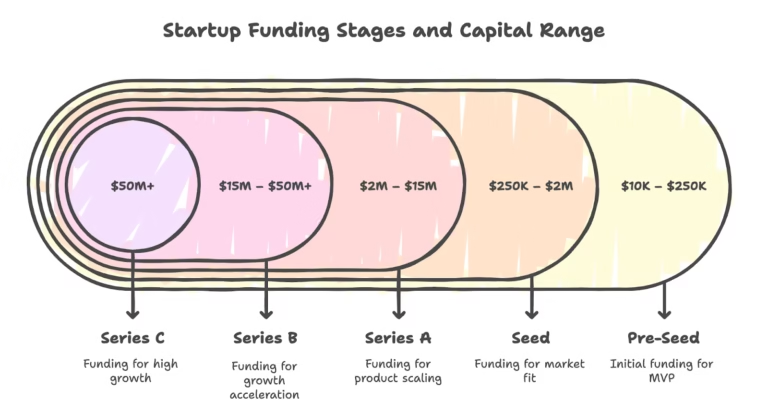
I’ve noticed early-stage founders often treat a funding round as the finish line rather than fuel for the next stretch. Raising too early, before you understand your unit economics, often leads to burning cash on the wrong things — flashy offices, oversized teams, premature marketing pushes.
Hiring Too Fast, Too Soon
Growth pressure makes founders hire ahead of actual need.
- Hiring senior people before there’s enough work to justify the cost
- Building a large team before product-market fit
- Skipping proper interviews just to fill seats quickly
A lean team that moves fast usually beats a bloated one moving slow. Has this happened to your startup already?
Ignoring Unit Economics
Revenue without profitability is a trap plenty of founders fall into, especially in growth-obsessed environments.
Ignoring unit economics — how much it costs to acquire and serve each customer versus what they pay you — is one of the costliest startup mistakes, since revenue growth without positive margins just accelerates cash burn.
Know your CAC (customer acquisition cost) and LTV (lifetime value) cold. If you can’t explain these numbers in one sentence, that’s a problem.
Co-Founder Conflicts Left Unaddressed
This one’s uncomfortable to talk about, but it kills startups constantly.
- Unclear equity splits agreed on verbally, never written down
- Avoiding hard conversations about roles and decision-making
- No vesting schedule, so a co-founder who leaves early keeps full equity
Get everything in writing early — awkward now beats devastating later.
[link to related guide about business registration process here]
Marketing Without a Clear Message
Founders often market their product the way they’d explain it to another founder — full of jargon, feature lists, and technical detail. Customers don’t care about your tech stack. They care about their problem being solved.
Keep your messaging painfully simple. If a 12-year-old can’t understand what you do, rewrite it.
Ignoring Cash Runway Until It’s Nearly Gone
Founders sometimes check their bank balance only when it’s already scary low.
Track your runway monthly, not yearly. Know exactly how many months you have left at current burn rate, and start raising or cutting costs at least 6 months before you’d actually run out.
[link to related guide about startup funding stages here]
FAQ
What is the number one reason startups fail? Building something the market doesn’t actually want — poor product-market fit remains the top reason across most failure studies.
How early should a startup talk to customers? Before building anything, ideally. Validate the problem through direct conversations before writing product code.
Is it a mistake to raise funding in the first year? Not always, but raising before understanding your business model often leads to overspending and pressure to grow unsustainably fast.
Should co-founders split equity equally? Not necessarily — it should reflect contribution, commitment, and risk taken, documented clearly with a vesting schedule from day one.
How do startups avoid running out of cash unexpectedly? By tracking burn rate and runway monthly and starting fundraising conversations at least six months before cash runs low.
Conclusion
Most startup mistakes aren’t unique — they’re recycled by founder after founder, often for the same underlying reasons: ego, urgency, or simply not knowing better. Validate before building, watch your numbers closely, and don’t let co-founder issues fester quietly. Which of these mistakes is your startup at risk of right now?
Suggested image alt text: “founders discussing startup mistakes in meeting”; “startup runway and cash burn rate chart example”