Introduction
You’ve probably heard the term thrown around in every marketing meeting, but do you actually understand how it works stage by stage? With a sales funnel explained properly, you’ll see exactly why some leads convert and others quietly disappear — and more importantly, what to do at each stage to keep people moving forward instead of dropping off.
What a Sales Funnel Actually Represents
It’s not a fancy diagram — it’s simply the journey a stranger takes before becoming a paying customer.
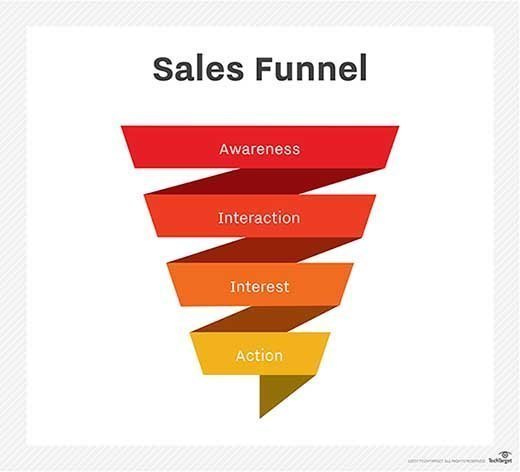
A sales funnel represents the stages a potential customer moves through — from first becoming aware of your business to actually making a purchase — and understanding each stage helps you identify exactly where prospects are dropping off.
I’ve noticed businesses often blame “bad marketing” for poor sales, when really the problem is a specific broken stage somewhere in the middle of their funnel.
Stage 1 — Awareness
This is where potential customers first discover your business exists.
- Social media content, ads, or organic search results
- Word of mouth referrals from existing customers
- Content marketing like blog posts or videos
At this stage, most people aren’t ready to buy — they’re just becoming aware a solution exists.
Stage 2 — Interest
Now the prospect is curious enough to learn more.
They might follow your social media, sign up for a newsletter, or read a few blog posts. This is where genuine value — not sales pitches — builds trust.
Why Pushing Too Hard at This Stage Backfires
A hard sales pitch during the interest stage often scares prospects away entirely. They’re still exploring, not ready to decide.
Stage 3 — Consideration
Prospects at this stage are comparing you against alternatives.
- They’re reading reviews and testimonials
- Comparing pricing against competitors
- Looking for case studies or proof that your solution actually works
During the consideration stage of the sales funnel, providing clear comparisons, testimonials, and case studies significantly increases conversion since prospects are actively evaluating whether your solution beats alternatives.
[link to related guide about content marketing strategy here]
Stage 4 — Intent
The prospect has shown clear buying signals — adding items to cart, requesting a demo, or asking about pricing directly.
Picture an e-commerce shopper who added a product to their cart but didn’t check out. A well-timed reminder email with a small discount often recovers this exact moment of hesitation.
Stage 5 — Purchase
The actual conversion moment. But the funnel doesn’t end here, despite what many businesses assume.
A common sales funnel mistake is treating purchase as the finish line — the post-purchase experience directly determines whether a customer becomes a repeat buyer or a one-time transaction.
Stage 6 — Loyalty and Advocacy
Happy customers become repeat buyers and, even better, they refer others.
- Follow-up emails checking on customer satisfaction
- Loyalty programs rewarding repeat purchases
- Encouraging reviews and referrals actively
[link to related guide about how to build a brand here]
Fixing a Leaky Funnel
Look at your actual conversion data stage by stage. If most people drop off between “interest” and “consideration,” your content might not be building enough trust. If they drop off between “intent” and “purchase,” your checkout process or pricing clarity might be the actual problem.
FAQ
What are the main stages of a sales funnel? Awareness, interest, consideration, intent, purchase, and loyalty — six stages representing the customer journey from stranger to repeat buyer.
Why do prospects drop off in the middle of a sales funnel? Usually due to lack of trust-building content, unclear pricing, or not enough proof like testimonials during the consideration stage.
Is a sales funnel the same for every business? The core stages stay similar, but the specific tactics at each stage vary depending on industry, price point, and customer buying behavior.
How do I know which funnel stage is losing the most customers? Track conversion rates between each stage using analytics tools — the stage with the sharpest drop-off needs the most attention.
Does the sales funnel end after a customer makes a purchase? No, the loyalty and advocacy stage after purchase is crucial for repeat business and referrals, often overlooked by businesses.
Conclusion
A sales funnel isn’t just marketing theory — it’s a practical map showing exactly where you’re losing potential customers and why. Study each stage of your own funnel, find the weakest point, and fix that first before spending more on driving fresh traffic to the top. Which stage of your funnel do you think is leaking the most right now?
Suggested image alt text: “sales funnel stages diagram awareness to purchase”; “customer journey through sales funnel illustration”