Introduction
Cold calling has a bad reputation, mostly because most people do it badly. Robotic scripts, pushy tones, calling at the worst possible times — no wonder prospects hang up fast. But done right, it still works, even in 2026. These cold calling tips come from what actually moves conversations forward, not the outdated “always be closing” nonsense from decades-old sales books.
Research Before You Dial
Calling blind wastes everyone’s time, including yours.
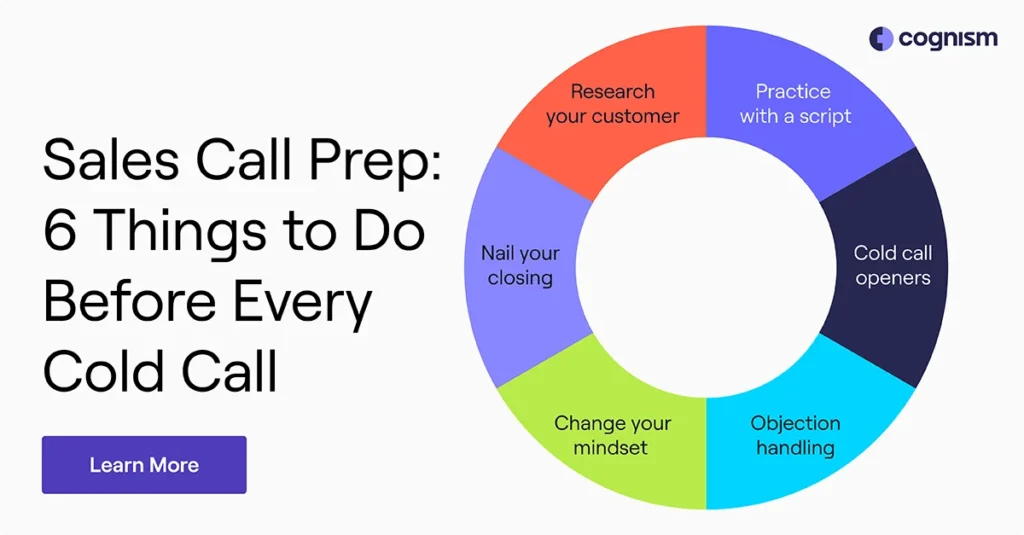
One of the most effective cold calling tips is spending just 2-3 minutes researching the prospect beforehand — their company, recent news, or a specific pain point — since a personalized opening line dramatically increases the chance they stay on the call.
I’ve noticed reps who skip this step get hung up on within the first 15 seconds, almost every time.
Nail Your Opening 10 Seconds
This is genuinely make-or-break. Prospects decide within seconds whether to keep listening.
- Skip the fake friendliness (“How are you today?”) — it signals a sales script instantly
- State clearly who you are and why you’re calling, briefly
- Ask a permission-based question: “Do you have 30 seconds for me to explain why I’m calling?”
Respecting their time upfront, oddly enough, makes people more willing to give you more of it.
Why Permission-Based Openings Work Better
Asking permission signals respect rather than assuming the prospect owes you their attention. It flips the power dynamic slightly in a way that reduces defensiveness.
Focus on Their Problem, Not Your Product
Nobody cares about your features in the first thirty seconds of a cold call.
- Ask about their current challenges related to your solution’s space
- Listen more than you talk during this part of the call
- Only pivot to your product once you understand their actual pain point
Has this ever happened to you as a customer — a salesperson pitching features before even asking what you actually need?
Handling Common Objections
Objections aren’t rejections — they’re requests for more information, usually.
Handling objections effectively is one of the most valuable cold calling tips — when a prospect says “we’re not interested,” asking a genuine follow-up question like “may I ask what solution you’re currently using?” often reopens the conversation.
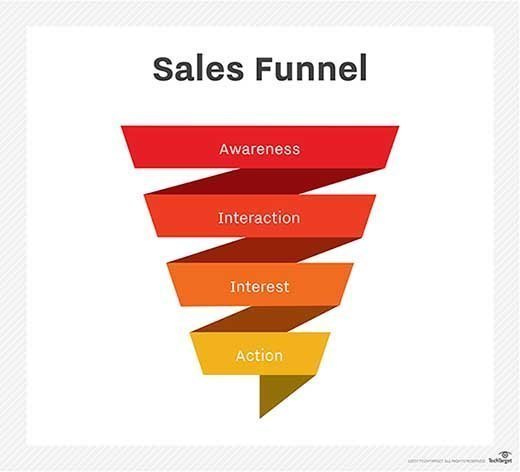
[link to related guide about sales funnel explained here]
Timing Your Calls Right
Data consistently shows certain times work better than others.
- Wednesday and Thursday tend to have higher connect rates than Mondays
- Late morning (10-11 AM) and mid-afternoon (2-3 PM) often work best
- Avoid calling right at the start or end of a workday when people are rushing
Following Up Without Being Annoying
Most sales happen after multiple touchpoints, not a single cold call.
Picture a rep who calls once, gets no answer, and gives up entirely — versus one who follows up with a short, value-adding email after the call and tries again a week later. The second approach converts significantly more often.
[link to related guide about content marketing strategy here]
Keeping a Simple, Flexible Script
Rigid scripts sound robotic. A loose framework with key talking points keeps the conversation natural while making sure you don’t forget important points.
FAQ
Is cold calling still effective in 2026? Yes, when done with proper research and a conversational approach rather than a rigid script — it remains a valuable sales channel.
What’s the best time of day for cold calling? Late morning and mid-afternoon on Wednesdays and Thursdays generally show higher connect and conversion rates.
How do I handle a prospect who says they’re not interested? Ask a genuine follow-up question about their current situation rather than immediately ending the call — this often reopens the conversation.
Should I use a strict script for cold calls? A flexible framework with key talking points works better than a rigid, word-for-word script that can sound robotic.
How many follow-up attempts should I make after a cold call? Most successful sales happen after 3-5 touchpoints, so following up a few times with genuine value rather than just checking in works best.
Conclusion
Cold calling tips that actually work come down to genuine research, respectful openings, and real listening rather than pushy scripts. Handle objections as conversations, not rejections, and follow up consistently without being annoying about it. Which of these tips could improve your very next cold call?
Suggested image alt text: “sales representative making cold call phone”; “salesperson researching prospect before calling”