Introduction
Numbers scare a lot of business owners, and that’s exactly why so many run into cash trouble despite having decent sales. Understanding a few basic accounting principles isn’t optional if you want your business to survive past year two. This isn’t about becoming an accountant yourself — it’s about knowing enough to make smart decisions and actually understand what your own numbers are telling you.
The Accrual vs Cash Basis Principle
This trips up more small business owners than almost anything else.
One of the most important basic accounting principles is understanding accrual versus cash accounting — cash basis records income when money actually arrives, while accrual records it when the sale happens, regardless of when payment is received.
I’ve noticed business owners often feel “rich” seeing pending invoices, forgetting that money isn’t actually in the bank yet. That gap has closed more than one small business.
The Matching Principle
Expenses should be recorded in the same period as the revenue they helped generate.
If you spend money on marketing in March that generates sales in April, proper accounting matches that expense against April’s revenue, not March’s — giving you an accurate picture of what actually drove those results.
Why This Matters for Decision-Making
Without matching, your monthly profit numbers become misleading, making it harder to judge whether a marketing spend actually worked.
The Consistency Principle
Whatever accounting method you choose, stick with it across periods.
- Don’t switch between cash and accrual basis randomly between months
- Use the same depreciation method for similar assets consistently
- Apply the same inventory valuation approach year over year
Switching methods to make numbers “look better” in a given period isn’t accounting — it’s manipulation, and it catches up eventually, especially during audits or loan applications.
The Conservatism Principle
When in doubt, don’t overstate. Record expenses and liabilities as soon as they’re reasonably possible, but only record revenue once it’s actually earned and reasonably certain.
Applying conservatism as a basic accounting principle means avoiding overly optimistic revenue projections in your books — it’s better to underestimate income and overestimate expenses than the reverse, which protects you from nasty surprises.
The Going Concern Principle
Your books should assume the business will continue operating for the foreseeable future, unless there’s clear evidence otherwise. This affects how assets are valued and how certain expenses get treated.
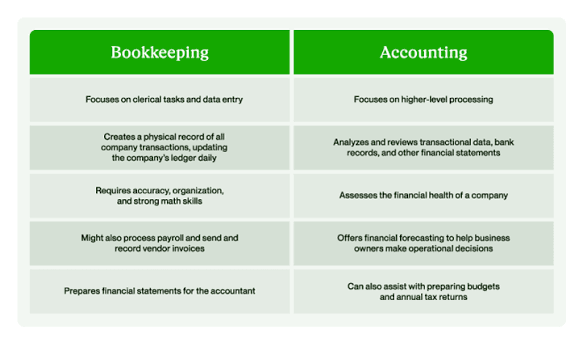
[link to related guide about bookkeeping vs accounting here]
Separate Business and Personal Finances
This isn’t technically a formal “principle” in textbooks, but it might be the most practically important rule of all.
- Open a dedicated business bank account, even for a small sole proprietorship
- Never pay personal expenses directly from business accounts
- Pay yourself a defined salary or draw, rather than pulling money randomly
Picture a shop owner who mixed personal and business money for years — come tax season, untangling which expenses were genuinely business-related became a nightmare that cost him extra in professional fees just to sort out.
[link to related guide about business registration process here]
The Materiality Principle
Not every transaction needs the same level of scrutiny. Small, insignificant amounts don’t require the same rigorous tracking as major transactions — focus your attention where it actually matters to your financial picture.
FAQ
Do small businesses really need to follow formal accounting principles? Yes, even informally — these principles keep your financial records accurate and useful for decisions, loans, and tax filing regardless of business size.
What’s the easiest accounting principle for beginners to start with? Separating personal and business finances is the simplest starting point and prevents the most common early-stage confusion.
Is cash basis or accrual basis better for small businesses? Cash basis is simpler for very small businesses; accrual gives a more accurate financial picture as the business grows and takes on credit sales.
Can I switch accounting methods later if I choose wrong initially? Yes, though it requires proper documentation and sometimes regulatory approval depending on your business structure and jurisdiction.
Do I need an accountant if I understand these basic principles? Understanding basics helps you make decisions, but a qualified accountant still adds value for compliance, tax planning, and complex situations.
Conclusion
These basic accounting principles aren’t just textbook theory — they directly affect whether you understand your own business’s financial health or fly blind. Start with separating personal and business money, then build understanding of accrual versus cash accounting. Which of these principles is your business currently ignoring, and what might that be costing you?
Suggested image alt text: “business owner reviewing basic accounting books”; “profit and loss statement on laptop screen”