Introduction
“My bookkeeper handles all that” and “my accountant handles all that” get used interchangeably far too often, and honestly, that confusion costs business owners money. The bookkeeping vs accounting distinction isn’t just semantics — these are genuinely different functions requiring different skills, and knowing which one you actually need at each stage of your business saves both time and unnecessary expense.
What Bookkeeping Actually Involves
Bookkeeping is the recording layer — the day-to-day data entry that feeds everything else.
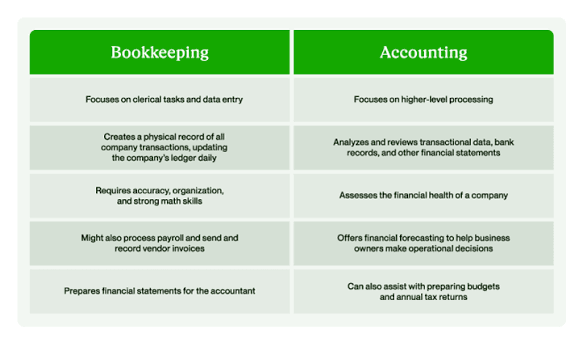
In the bookkeeping vs accounting comparison, bookkeeping refers specifically to the daily recording of financial transactions — sales, purchases, receipts, payments — organized systematically without deeper analysis or interpretation.
Think of a bookkeeper as someone maintaining an accurate, organized log of every rupee moving in and out of your business.
What Accounting Actually Involves
Accounting takes bookkeeping’s raw data and turns it into something meaningful for decisions.
- Preparing financial statements — profit and loss, balance sheet, cash flow statement
- Analyzing trends and financial health over time
- Tax planning and compliance strategy
- Advising on business decisions based on financial data
I’ve noticed people assume accountants just “do taxes.” That’s a small piece of what good accounting actually covers.
The Analytical Layer Bookkeeping Doesn’t Provide
A bookkeeper tells you what happened financially. An accountant tells you what it means and what to do about it.
Skills and Qualifications Required
This is where the practical difference becomes clearer.
- Bookkeepers typically need training in accounting software and basic financial recording, without requiring formal certification
- Accountants, especially Chartered Accountants (CAs) in India, undergo years of formal education and rigorous exams
- Bookkeepers focus on accuracy of entries; accountants focus on interpretation and strategic advice
Understanding bookkeeping vs accounting qualifications matters because hiring an expensive CA for basic daily data entry wastes money, while relying only on a bookkeeper for tax strategy or audits creates real compliance risk.
When Your Business Needs Which
Picture a small business just starting out — a bookkeeper (or bookkeeping software) handles daily transactions perfectly fine at this stage. As the business grows, adding employees, dealing with GST complexities, or seeking funding, that’s when proper accounting expertise becomes essential.
[link to related guide about basic accounting principles here]
Can One Person Do Both?
For very small businesses, yes — many business owners or a single hired professional handle both functions early on. As transaction volume and complexity grow, separating the roles usually makes more sense financially and practically.
Software Has Blurred the Line Somewhat
Modern accounting software like Tally, Zoho Books, or QuickBooks automates much of traditional bookkeeping, letting business owners record transactions with far less manual effort than a decade ago.
Even with automation software handling much of the bookkeeping vs accounting split, human judgment remains essential for accounting-level analysis, tax strategy, and financial decision-making that software alone can’t replace.
[link to related guide about business registration process here]
Cost Differences Worth Knowing
Bookkeeping services typically cost significantly less than hiring a full-time or retainer-based accountant, since the skill and responsibility levels differ substantially.
FAQ
Is a bookkeeper cheaper to hire than an accountant? Yes, generally bookkeeping services cost less since the role requires less formal qualification and involves data entry rather than strategic analysis.
Can I do my own bookkeeping and hire an accountant only for taxes? Yes, this is common for small businesses — handling daily entries yourself and bringing in an accountant for compliance and tax filing.
Do I need both a bookkeeper and an accountant? Depends on business size — small businesses can often combine both roles into one person, while growing businesses usually benefit from separating them.
What software helps with bookkeeping for small businesses in India? Popular options include Tally, Zoho Books, and QuickBooks, all offering automated transaction recording and basic reporting.
Is a Chartered Accountant the same as a regular accountant? No, a CA holds specific professional certification in India with additional legal authority for audits and certain compliance filings that general accountants don’t have.
Conclusion
The bookkeeping vs accounting difference comes down to recording versus interpreting — bookkeeping tracks what happened, accounting explains what it means and guides decisions. Know which one your business actually needs right now, and don’t overpay for expertise you don’t yet require. Is your business still at the stage where a good bookkeeper is enough, or has it grown into needing real accounting strategy?
Suggested image alt text: “bookkeeper entering transactions accounting software”; “accountant analyzing financial statements for business”