Water is one of those things most of us take for granted until something goes wrong. Perhaps the kettle develops a stubborn white coating, soap refuses to lather properly, or the water coming from the kitchen tap has an unusual taste. These little frustrations can become part of everyday life, but they often point to a problem worth investigating.
The good news is that improving household water doesn’t necessarily mean replacing every pipe or investing in the most expensive equipment available. It starts with understanding what’s actually in your water, identifying the issues that matter, and choosing a solution that fits your home. A little knowledge can save money, reduce unnecessary maintenance, and make daily routines noticeably easier.
Understanding What Comes Through Your Tap
Water quality varies considerably from one property to another. Municipal supplies are generally treated before distribution, but water can still pick up contaminants from aging plumbing, storage tanks, or the distribution network. Homes using private wells face a different set of challenges because the water may contain naturally occurring minerals, sediment, bacteria, or other substances from the surrounding environment.
Even two houses on the same street can experience different problems. One might struggle with mineral buildup, while another has water that smells faintly of sulfur. Appearance alone isn’t a reliable guide, either. Clear water can contain unwanted contaminants, and cloudy water isn’t always dangerous.
That is why testing matters. A professional water analysis can identify specific concerns and help determine which treatment methods are appropriate. Rather than guessing based on taste or online advice, homeowners can make decisions using actual results.
When Hard Water Becomes an Everyday Nuisance
Hard water contains elevated levels of dissolved minerals, particularly calcium and magnesium. These minerals aren’t generally considered a health concern at typical levels, but they can create plenty of practical headaches around the house.
You may notice chalky deposits around faucets, spots on glassware, stiff laundry, or a film on shower screens that seems impossible to remove completely. Over time, mineral scale can also accumulate inside water heaters, reducing efficiency and increasing maintenance needs.
For households dealing with these problems, water softeners can offer a practical solution. Most conventional systems use ion exchange to replace calcium and magnesium ions with sodium or potassium ions. The result is softer water that usually produces less scale and allows soap to work more effectively.
Still, a softener isn’t necessary for every property. If mineral hardness is low, the expense and upkeep might outweigh the benefits. People following a sodium-restricted diet may also want to discuss softened drinking water with a healthcare professional, particularly when the system adds sodium to the water.
The sensible approach is to test first, compare available systems, and consider how much hard water affects your household before making a purchase.
Making Drinking Water Safer and More Enjoyable
Taste is often the first thing people notice when thinking about their water. A chlorine-like flavor, metallic aftertaste, or unpleasant odor can make even a perfectly ordinary glass of water less appealing. Sometimes the issue is relatively simple, such as disinfectant taste. In other cases, it may indicate a problem that deserves closer investigation.
The right drinking water systems depend on the contaminants identified and the amount of water the household needs. Activated carbon filters can improve taste and reduce certain chemicals, including chlorine, depending on the product. Reverse osmosis systems can reduce many dissolved substances, while ultraviolet treatment can inactivate susceptible microorganisms when correctly installed and operated.
These technologies aren’t interchangeable. A basic carbon filter won’t reliably remove every dissolved contaminant, and ultraviolet disinfection doesn’t remove chemical pollutants or minerals. Some systems combine several treatment stages to address different concerns.
Before buying, check the manufacturer’s performance claims and look for independent certification relevant to the contaminants you want to reduce. NSF and ANSI standards, for example, cover different aspects of drinking water treatment, so the specific certification matters more than a general claim that a product is advanced or premium.
Filter replacement is equally important. A neglected filter can lose effectiveness, restrict flow, or become a maintenance problem of its own. A good system should be one you can realistically maintain, not simply one that looks impressive in a product brochure.
Why Well Water Needs a Different Approach
Private wells provide an important water source for many rural households, but owners are responsible for understanding and monitoring their supply. Unlike public systems, private wells generally don’t receive routine municipal treatment and oversight.
The surrounding geology, nearby agricultural activity, septic systems, flooding, and well construction can all influence water quality. Depending on the location, potential concerns may include bacteria, nitrates, iron, manganese, arsenic, or naturally occurring minerals. Not every well contains these substances, of course, which is precisely why testing is more useful than assumptions.
A suitable well water treatment plan begins with laboratory testing and an inspection of the well and its components. Iron may require oxidation and filtration, while certain dissolved contaminants need specialized media or reverse osmosis. Microbial contamination may require disinfection and correction of the underlying source problem.
Boiling water can help address many disease-causing microorganisms, but it does not remove most chemical contaminants and can concentrate some of them as water evaporates. If testing identifies an immediate health risk, follow local public health guidance about safe drinking water until the problem is resolved.
Regular testing is essential even when well water looks and tastes normal. Annual checks for coliform bacteria and nitrates are commonly recommended in the United States, with additional testing based on local conditions. Homeowners elsewhere should follow their local public health recommendations and use an appropriately accredited laboratory.
Choosing Equipment Without Overspending
Water treatment equipment can range from inexpensive faucet filters to whole-house systems designed to handle specific problems throughout a property. Price alone, however, tells you very little about whether a product will work well for your needs.
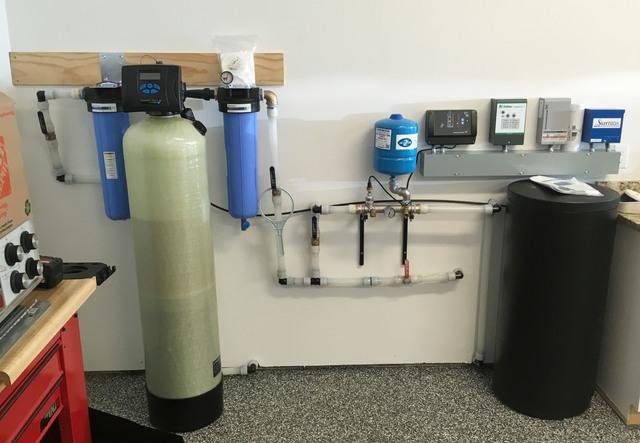
Start by identifying the problem and deciding where treatment is required. A point-of-use filter treats water at a particular tap, making it useful when the main concern is drinking or cooking water. A whole-house system treats water entering the property and may be more suitable for widespread hardness, sediment, or other verified issues.
Installation costs, replacement cartridges, electricity, water consumption, and servicing all deserve attention. Reverse osmosis units, for instance, can send some water to drain, depending on their design. Water softeners require regeneration and periodic replenishment of salt or another regenerant. These ongoing expenses should be part of the original budget.
Be cautious of sellers who rely on dramatic demonstrations, vague contamination warnings, or claims that one device removes everything. Ask for documented test results, relevant certifications, clear maintenance instructions, and realistic performance information.
A Small Investment in Better Daily Living
Good water treatment isn’t about making water unnecessarily complicated. It’s about solving the problems that genuinely affect your household while avoiding equipment you don’t need.
Start with a test, understand the results, and compare treatment options that address the specific findings. Maintain the equipment according to the manufacturer’s instructions, and repeat testing when circumstances or local guidance call for it.
Clean, dependable water supports countless everyday activities, from preparing morning tea to washing vegetables and taking a shower after a long day. When the system behind those routines is chosen carefully, the benefits are often quiet rather than dramatic. Fewer deposits, better taste, less equipment wear, and greater confidence in your water can make a real difference.
Ultimately, the best water solution isn’t necessarily the newest or most expensive one. It’s the one that fits your home’s needs, works as intended, and continues doing its job long after the initial installation.