Property and construction disputes rarely come down to one simple question. A building may develop cracks months after completion, a commercial property might be valued differently by two parties, or a construction project could fall behind schedule despite everyone claiming they’ve fulfilled their responsibilities. When disagreements reach the courtroom, understanding what actually happened often requires more than contracts and witness statements.
That’s where expert witnesses become valuable. These professionals bring specialized knowledge to legal cases, helping attorneys, judges, and juries understand technical details that might otherwise be difficult to evaluate. In Texas, where residential development, commercial real estate, and major infrastructure projects play important roles in the economy, expert testimony can be particularly useful when a dispute involves property values, construction quality, or engineering decisions.
Why Expert Witnesses Matter in Property Disputes
Real estate transactions involve significant financial commitments. Buyers, sellers, investors, developers, and lenders all depend on accurate information when making decisions. When that information is disputed, the consequences can extend well beyond a single transaction.
Consider a commercial property purchased with the expectation of generating steady rental income. If the buyer later discovers serious defects or disagreements emerge over the property’s value, determining the financial impact may require an independent professional assessment.
Expert witnesses can examine relevant records, explain industry practices, evaluate competing claims, and provide opinions supported by evidence. Their role isn’t to decide who should win the case. Instead, they help clarify the technical or financial questions that influence the legal outcome.
For attorneys, selecting an expert whose experience matches the specific dispute is essential. A property valuation case calls for different knowledge than a lawsuit involving structural failures or defective building materials.
Understanding Property Values and Real Estate Litigation
Real estate disputes often involve questions about market value, investment performance, property condition, or information disclosed during a transaction. Even when two parties use the same documents, they may reach very different conclusions about what those documents mean.
Real estate expert witnesses in texas can assist with disputes involving property valuation, commercial real estate transactions, investment losses, and other matters that require specialized market knowledge. Depending on the case, a qualified professional might review comparable sales, rental income, property condition, market trends, zoning restrictions, and the assumptions used in a valuation.
For example, imagine two business partners disagree about the value of a commercial building during a partnership dissolution. One relies on recent sales in the neighborhood, while the other emphasizes the property’s rental income and future development potential. An expert can evaluate the relevant methods, explain the differences, and identify whether the assumptions are reasonable.
Property valuation is rarely just about choosing a number. The valuation date, intended use, market conditions, and type of interest being valued can all influence the conclusion. A credible expert explains these factors rather than presenting an estimate without context.
In Texas, local market conditions also matter. Property values and development prospects can vary considerably between major metropolitan areas, smaller communities, and rural locations. Familiarity with the relevant market can help an expert assess whether an opinion reflects the circumstances surrounding the dispute.
Construction Disputes and Contractual Responsibilities
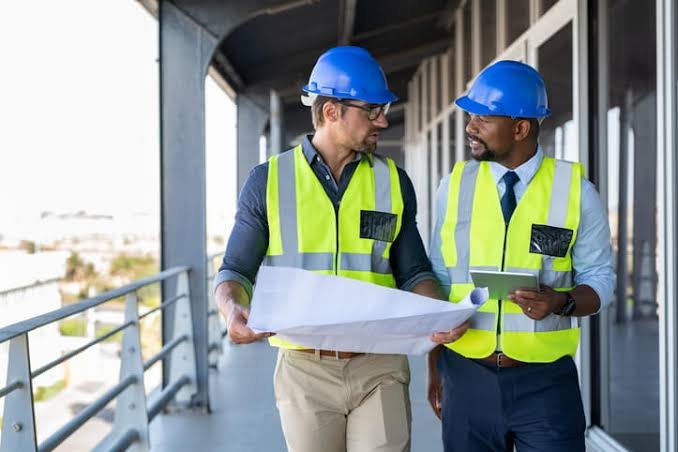
Construction projects bring together owners, general contractors, subcontractors, architects, suppliers, and inspectors. Each party has specific responsibilities, and a breakdown in communication can quickly become expensive.
Disagreements may arise over incomplete work, missed deadlines, defective materials, unexpected costs, water intrusion, or allegations that the finished project doesn’t meet contractual requirements. Sometimes the problem is visible immediately. Other times, defects remain hidden until months or years after construction.
Construction & contracting expert witnesses in texas can help evaluate whether work complied with applicable plans, specifications, contractual obligations, and relevant industry standards. Their assignments may involve reviewing construction records, inspecting a property, examining photographs, comparing completed work with project documents, or assessing the likely cause of a defect.
Take a homeowner who notices persistent leaks after a major renovation. The contractor may argue that the damage resulted from later maintenance issues, while the homeowner believes the original installation was defective. An appropriately qualified expert can investigate the available evidence and explain which conclusions are supported by the inspection and records.
Construction experts may also assess project delays and cost disputes. A delayed project doesn’t automatically establish that a contractor breached the agreement. Weather conditions, design changes, material shortages, scheduling conflicts, and the actions of several parties may contribute to the final outcome.
A careful assessment separates documented events from assumptions. That distinction can help attorneys understand the strengths and weaknesses of a claim before committing substantial resources to litigation.
Engineering Evidence in Technical Legal Cases
Some disputes involve questions that require specialized engineering knowledge. Structural movement, foundation problems, mechanical failures, drainage issues, and equipment malfunctions can be difficult to explain without technical analysis.
Engineering evidence may help establish how a failure occurred, whether a design or installation decision contributed to the problem, and whether alternative explanations deserve consideration.
Engineering expert witnesses in texas may provide opinions in cases involving structural engineering, civil engineering, mechanical systems, electrical installations, or other technical disciplines. The appropriate specialty depends on the disputed issue; an expert experienced in electrical systems, for instance, may not be qualified to evaluate every aspect of a structural failure.
Imagine a commercial building develops substantial cracks following nearby excavation work. Several explanations may be possible, including existing foundation movement, soil conditions, drainage changes, vibration, or construction activity. An engineering expert can review available measurements, inspection findings, project records, and site conditions to evaluate the competing possibilities.
Good engineering analysis is more than a confident explanation. It should identify the evidence examined, describe the methods used, acknowledge relevant limitations, and explain why one interpretation is better supported than another.
This is especially important when the consequences involve substantial repair costs, business interruptions, property damage, or potential safety concerns.
Preparing Expert Testimony for Court
Even highly qualified professionals need to communicate their findings effectively. An expert’s technical knowledge has limited value if the reasoning is difficult for a judge or jury to follow.
Preparation usually begins with a clearly defined assignment. Attorneys identify the questions requiring expert analysis, provide relevant records, and establish deadlines for inspections, reports, depositions, and trial appearances. The expert then reviews the evidence and determines which methods are appropriate for the questions involved.
Written reports may explain the expert’s qualifications, opinions, supporting facts, and reasoning, depending on the applicable procedural requirements. During a deposition, opposing counsel may challenge the methodology, question assumptions, or identify information that appears inconsistent with the expert’s conclusions.
A credible professional should be able to explain the analysis without exaggerating its certainty. If information is missing or a conclusion depends on particular assumptions, those limitations should be stated clearly.
Texas courts apply relevant evidentiary rules, including Texas Rule of Evidence 702, when considering expert testimony. The admissibility of an opinion depends on the applicable standards, the expert’s qualifications, and the reliability and relevance of the proposed testimony. Attorneys should evaluate these issues early rather than assuming that professional experience alone makes every opinion admissible.
Choosing the Right Expert for Your Case
Finding a suitable expert requires more than searching for someone with an impressive résumé. The professional’s experience should align with the actual questions in dispute.
Attorneys should review credentials, relevant project or industry experience, prior expert assignments, communication skills, availability, and familiarity with the methods needed for the case. They should also discuss fees, anticipated document volumes, inspection requirements, and possible trial dates before engaging the professional.
Independence is equally important. An expert may be retained by one party, but the analysis should remain grounded in evidence rather than a predetermined outcome. A professional who acknowledges weaknesses in an argument can provide more useful guidance than someone who simply confirms what a client wants to hear.
Bringing Clarity to Complex Disputes
Real estate, construction, and engineering disputes can involve substantial financial stakes, conflicting explanations, and technical evidence that isn’t easy to interpret. Expert witnesses help make those issues more understandable by connecting specialized knowledge with the facts of a particular case.
The most effective experts don’t rely on impressive terminology or unsupported certainty. They explain their reasoning, examine alternative possibilities, and communicate what the evidence does and doesn’t establish.
For attorneys, property owners, developers, and businesses facing litigation in Texas, choosing the right expert can strengthen case preparation and support better-informed decisions. No expert can guarantee a favorable verdict, but a thorough and independent assessment can help turn a confusing dispute into a set of questions that can be examined, explained, and resolved more fairly.