Introduction
Online shopping isn’t slowing down, and honestly, it’s never been easier to launch your own store than right now. But knowing how to start an ecommerce business properly — not just throwing products on a website and hoping — makes the difference between a store that survives and one that quietly fades within a year. Here’s the real roadmap for 2026.
Choosing What to Sell
This decision shapes everything that follows, so don’t rush it.
Learning how to start an ecommerce business begins with product selection based on genuine demand — checking search volume, existing marketplace competition, and profit margins rather than picking a product simply because it seems trendy.
I’ve noticed first-time sellers often chase whatever’s viral on social media, only to find the market already saturated by the time they launch.
Validating Demand Before Investing Heavily
Don’t buy bulk inventory before confirming people actually want it.
- Run a small pre-order campaign to gauge real interest
- Check search trends for your product category over recent months
- Look at existing competitor reviews for gaps you could fill better
Picture someone wanting to sell handmade jewelry — instead of ordering ₹50,000 worth of stock upfront, they test with a small Instagram pre-order campaign first, confirming genuine demand before committing bigger money.
Choosing Your Selling Platform
You’ve got real choices here, each with tradeoffs.
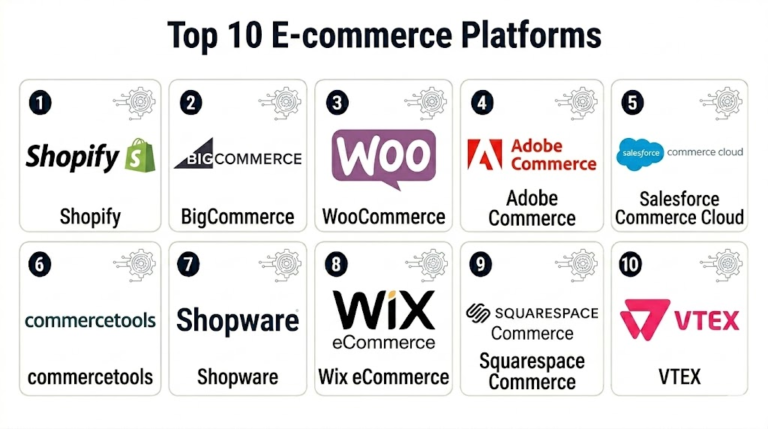
- Your own website (Shopify, WooCommerce) — more control, but you drive all your own traffic
- Marketplaces (Amazon, Flipkart, Meesho) — built-in traffic, but higher competition and platform fees
- Social commerce (Instagram, WhatsApp catalogs) — low cost entry, good for testing before bigger investment
Most successful sellers eventually use a combination rather than relying on just one channel.
Why Relying on One Platform Alone Is Risky
Platform policy changes or account suspensions can wipe out a business overnight if you’re entirely dependent on one marketplace.
Setting Up Logistics and Fulfillment
Getting products to customers reliably matters as much as getting the sale itself.
A critical part of how to start an ecommerce business successfully involves choosing reliable logistics partners early — delayed or damaged deliveries directly hurt reviews and repeat purchase rates, which compound over time.
[link to related guide about best ecommerce platforms compared here]
Pricing Strategy That Actually Works
Underpricing to “beat competitors” often backfires by squeezing margins too thin to sustain the business.
- Calculate your true cost per unit, including packaging and shipping
- Add a realistic margin that allows for marketing spend
- Compare against competitors, but don’t race purely on lowest price
Building Trust as a New Seller
New online stores face a trust deficit compared to established brands.
- Clear return and refund policies displayed prominently
- Genuine customer reviews, even if you start with just a handful
- Professional product photography, even if done on a phone with good lighting
[link to related guide about content marketing strategy here]
Marketing Your Store From Day One
Don’t wait until the store “looks perfect” to start marketing. Build an audience and email list even before launch, using teaser content and early access offers.
FAQ
How much money do I need to start an ecommerce business? It varies widely, but starting with dropshipping or small pre-order models can begin with under ₹20,000-30,000 for most product categories.
Should I sell on Amazon or my own website first? Marketplaces offer faster initial traffic, but building your own website earlier gives more control and better long-term margins.
How do I validate a product idea before investing in inventory? Run small pre-order campaigns or test ads to gauge genuine interest before committing to bulk inventory purchases.
What’s the biggest mistake new ecommerce sellers make? Investing heavily in inventory before validating actual demand, leading to unsold stock and tied-up capital.
Do I need a registered business to sell online in India? Eventually yes, especially for GST compliance on marketplaces, though very early testing phases sometimes operate informally.
Conclusion
Knowing how to start an ecommerce business properly means validating demand before big spending, choosing the right sales channels, and building customer trust from day one. Skip the rush to look “established” immediately — focus on getting your first genuine sales and reviews first. What product idea have you been sitting on that’s worth testing this month?
Suggested image alt text: “entrepreneur setting up ecommerce store laptop”; “packaging products for online store shipment”