Introduction
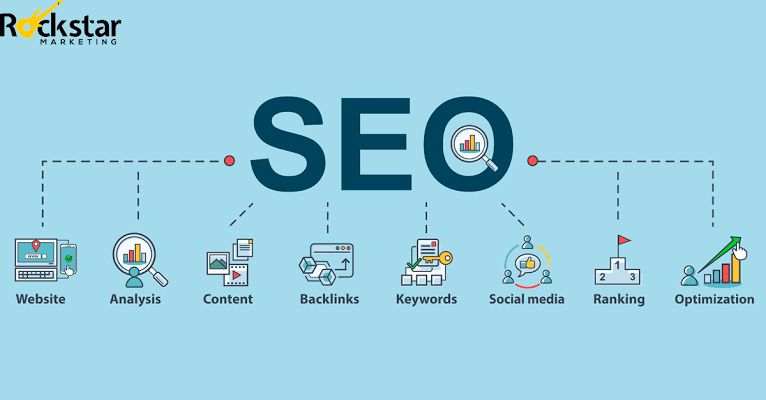
SEO sounds intimidating from the outside — algorithms, backlinks, technical audits, keyword density. But strip away the jargon, and it’s really about making your content genuinely useful and easy for Google to understand. This SEO for beginners guide covers what actually matters in 2026, skipping the outdated tricks that stopped working years ago.
What SEO Actually Means Today
Search engines have gotten smarter, and old tactics that gamed rankings mostly don’t work anymore.
For beginners, SEO essentially means creating content that genuinely answers what people are searching for, structured in a way search engines can easily understand and index — not stuffing keywords or building spammy backlinks.
I’ve noticed beginners often overthink technical SEO while ignoring the basics — writing content that actually solves a real search query.
Keyword Research Basics
Before writing anything, understand what people are actually typing into Google.
- Use free tools like Google’s autocomplete suggestions or Google Trends
- Look at “People also ask” sections for related question ideas
- Check search volume estimates using free or low-cost keyword tools
Picture someone starting a blog about home baking — instead of guessing what to write about, checking actual search terms like “eggless cake recipe” reveals real demand they can create content around.
Long-Tail Keywords Matter More Than Beginners Realize
Broad keywords like “marketing” are nearly impossible to rank for as a beginner. Specific phrases like “digital marketing strategy for small clothing brands” have far less competition and often convert better too.
On-Page SEO Fundamentals
Once you know your keyword, structure your content properly around it.
- Include the keyword naturally in your title, ideally near the beginning
- Use it in your first 100 words and a few times throughout the content
- Add it to at least one heading (H2 or H3) where it fits naturally
- Write a compelling meta description that includes the keyword
On-page SEO for beginners comes down to naturally placing your target keyword in strategic locations — title, headings, first paragraph — while keeping the content genuinely readable rather than forced or repetitive.
Technical SEO Basics You Shouldn’t Ignore
You don’t need to be a developer, but a few things matter.
- Page loading speed — slow sites lose both rankings and visitors
- Mobile-friendliness — most searches now happen on phones
- Clean URL structure — short, keyword-focused slugs work better than long random strings
[link to related guide about content marketing strategy here]
Building Backlinks the Right Way
Backlinks — other websites linking to yours — still matter significantly for rankings.
Quality backlinks from relevant, trustworthy websites carry far more SEO value than a large quantity of low-quality links — one genuine mention from an established industry site often outweighs dozens of spammy directory listings.
Guest posting, getting featured in local news, or being mentioned by industry blogs are all legitimate ways to build these naturally over time.
Content Freshness Signals
Google favors content that stays updated and relevant.
Mentioning the current year, updating statistics periodically, and refreshing older blog posts with new information all signal continued relevance to search engines.
[link to related guide about social media marketing strategy here]
Local SEO for Small Businesses
If you serve a specific geographic area, claiming and optimizing your Google Business Profile matters enormously for local search visibility, often more than general website SEO.
FAQ
How long does SEO take to show results for beginners? Typically 3-6 months for meaningful traffic growth, since search engines need time to crawl, index, and rank new or updated content.
Do I need to pay for SEO tools as a beginner? No, free tools like Google Search Console, Google Trends, and Google’s autocomplete provide enough insight to start effectively.
What’s the biggest SEO mistake beginners make? Keyword stuffing — repeating the target keyword unnaturally throughout content, which actually hurts rankings rather than helping them.
Is SEO still relevant with AI search tools becoming more common? Yes, well-structured, genuinely useful content remains valuable across both traditional search and newer AI-powered search experiences.
Should beginners focus on technical SEO or content first? Content first — technical issues matter, but without genuinely useful content answering real search queries, technical perfection won’t drive rankings.
Conclusion
SEO for beginners doesn’t require mastering every technical detail overnight — focus on genuine keyword research, natural on-page optimization, and building real backlinks over time. Search engines increasingly reward content that actually helps people, so keep that as your north star. Which keyword could you start targeting with your very next piece of content?
Suggested image alt text: “beginner learning SEO keyword research laptop”; “on-page SEO checklist for blog content”